Choosing between a smooth or textured wall finish shapes every room you walk into. It affects how light falls across your walls, how easy they are to maintain, and whether the space feels polished or warm and characterful.
For anyone considering interior wall finishes in NZ, understanding the practical differences makes the decision much clearer. Whether you are renovating an older home or finishing a new build, the finish you choose will influence your space for years.
What Is a Smooth Wall Finish?
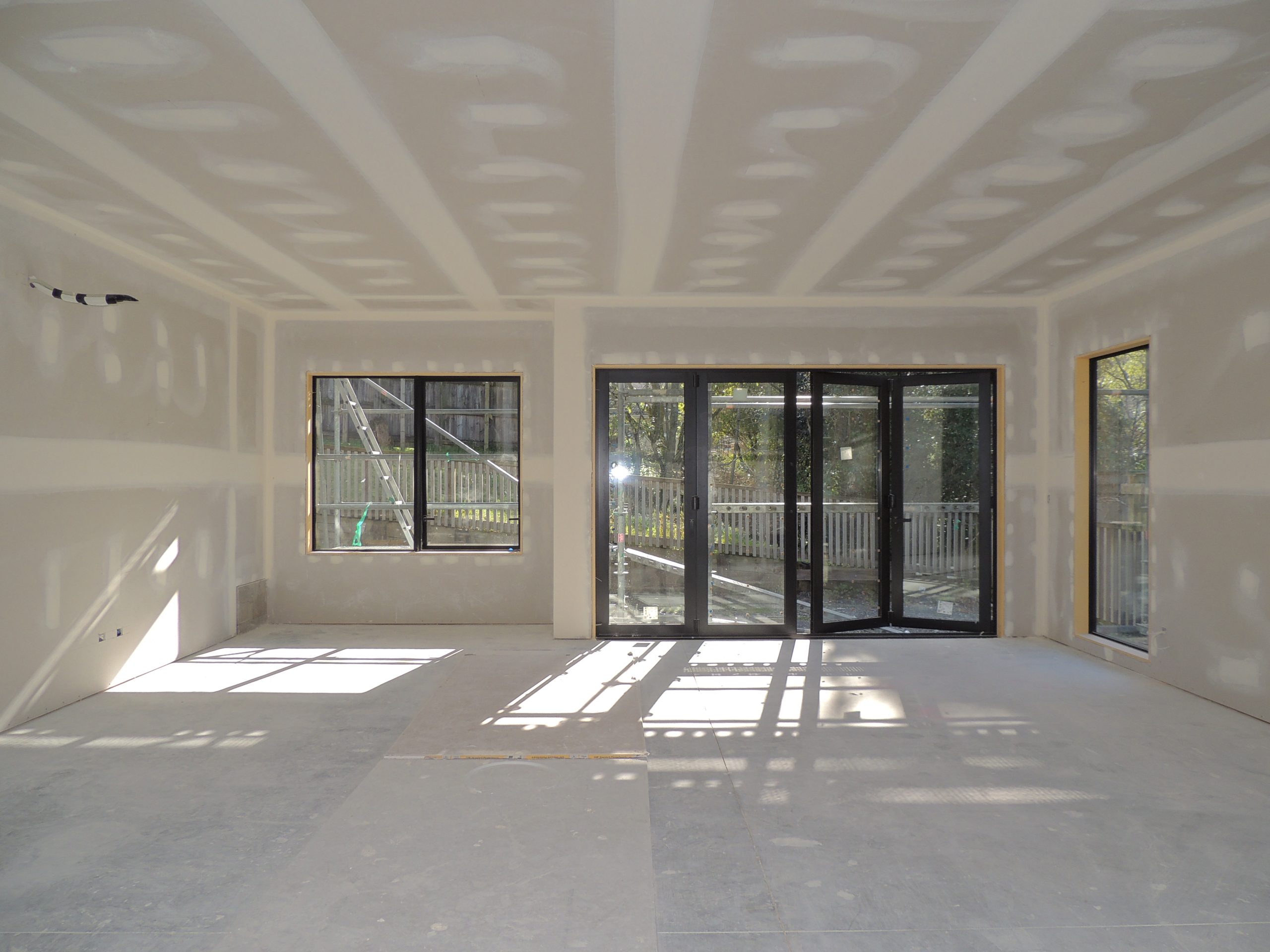
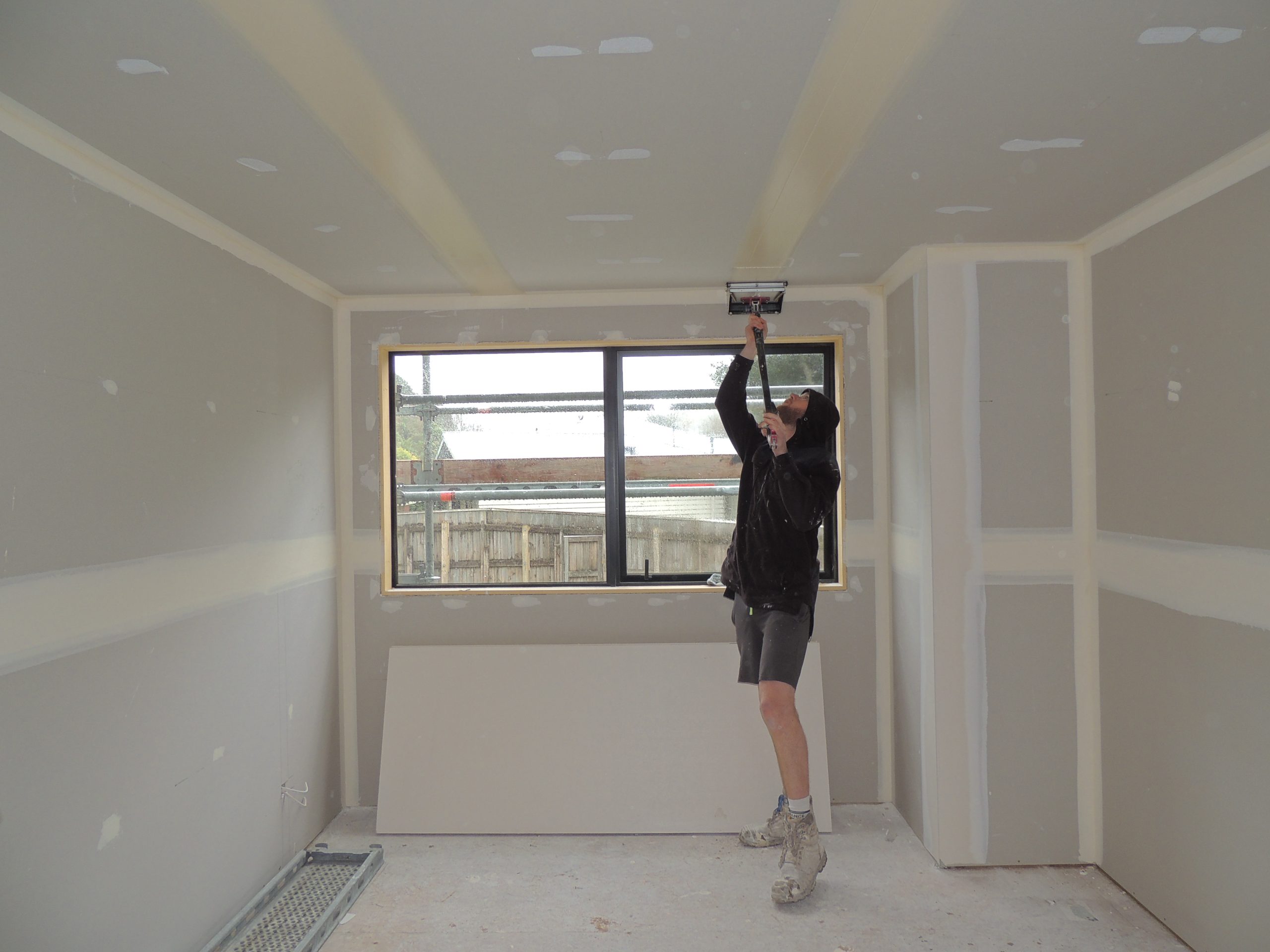
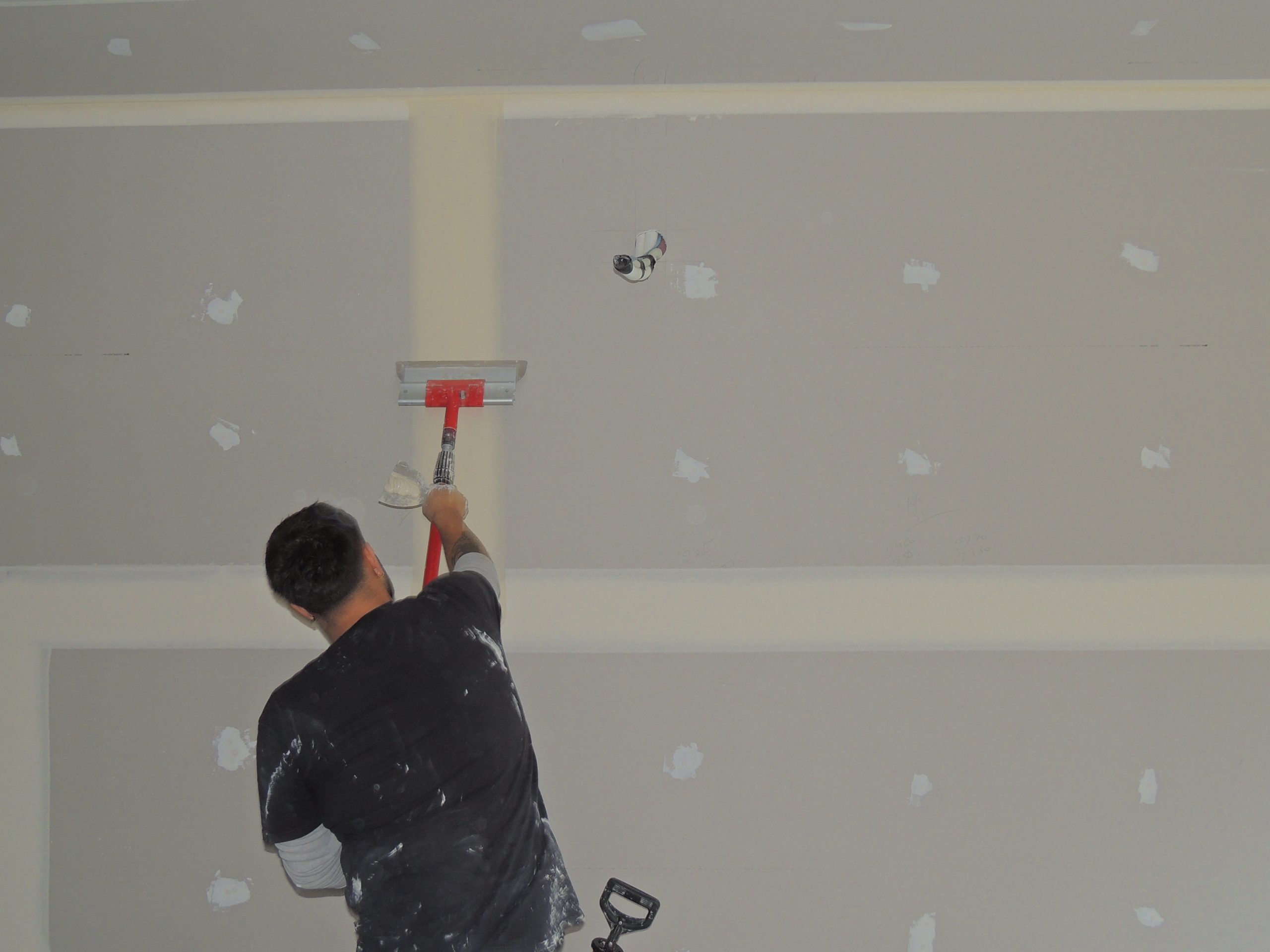
A smooth plaster finish is achieved by applying thin, even layers of plaster worked to a flat, consistent surface. The final coat is typically a fine skim coating that removes irregularities, leaving the wall ready for paint or other wall coverings.
This finish suits homes where clean lines are the priority. It is also the preferred choice when a pre-primed board is used as a base, since surface variations show through the paint. Smooth walls reflect light evenly across the entire wall, making rooms feel brighter and more open.
What Is a Textured Wall Finish?
A textured wall finish introduces deliberate surface variation through tools, techniques, or aggregates. The range is broad: fine sand textures, skip trowel patterns, and heavier aggregate finishes all fall under this category.
Texture can add texture and depth to an otherwise plain interior space, and it is especially effective on a feature wall. It is also more forgiving of minor surface imperfections, making it practical for older homes. Many interior designers favour textured finishes to introduce warmth without relying solely on wall panels or furnishings.
Smooth vs Textured Walls: Key Differences
|
Feature |
Smooth Finish |
Textured Finish |
|
Appearance |
Clean, flat, minimal |
Dimensional, characterful |
|
Best paint finish |
Satin or semi-gloss |
Low-sheen or flat |
|
Maintenance |
Easy to wipe down |
Can trap dust in deeper textures |
|
Repair difficulty |
Requires skilled patching |
Easier to blend patches |
|
Imperfection tolerance |
Low — shows unevenness |
High — hides surface flaws |
|
Typical application |
New builds, modern renovations |
Character homes feature walls |
Which Finish Works Best for Different Rooms?
The right finish often depends less on personal preference and more on how a room is used.
Living Rooms and Bedrooms
Smooth finishes work well where a refined, contemporary feel is the goal. The flat surface allows paint colours to read true and gives you more control over the atmosphere. If you want to introduce personality, a textured feature wall behind a bed or sofa strikes a good balance. Skim coating Auckland properties with older walls often makes more sense than restoring an uneven original surface.
Hallways and High-Traffic Areas
Hallways take more punishment than most areas. A fine-textured wall finish conceals scuff marks and minor dents far better than a smooth surface. Wall panels in the lower section, combined with a textured finish above, offer a practical, visually grounded approach. Heavier textures are generally avoided in tight spaces.
Commercial and Renovation Projects
For commercial fitouts and renovation projects, professional interior plastering matters enormously. Commercial spaces demand consistency across large surface areas, and smooth plaster holds up under scrutiny. Renovation projects frequently benefit from textured finishes that conceal uneven substrates and reduce prep costs.
Choosing the Right Finish for Your NZ Home
There is no universal answer. Smooth finishes suit modern, light-filled homes where clean aesthetics are the priority, while textured finishes bring warmth and durability across a wider range of spaces. The decision should account for your home’s character, how each room is used, and your long-term maintenance expectations.
An experienced team handling your interior plastering in Wellington will assess your walls honestly and deliver a result that holds up.
Conclusion
Both smooth and textured finishes have genuine strengths. The right choice comes down to the space, the substrate, and what you want the room to feel like when it is finished. Getting clear on those factors before committing will save time, money, and a lot of repainting.
Frequently Asked Questions
What is the difference between smooth and textured wall finishes?
A smooth plaster finish produces a flat, even surface ideal for contemporary spaces and quality paint applications. A textured wall finish introduces surface depth through applied patterns or aggregates. Smooth walls show imperfections readily and require skilled preparation, while textured finishes are more forgiving and add visual character.
Are textured walls outdated in modern NZ homes?
Not at all. While heavy, uniform textures from older decades have fallen out of favour, refined textured finishes remain popular across New Zealand. Subtle techniques like skip trowel or fine sand finishes are regularly used by interior designers in both residential and commercial projects. A well-executed textured feature wall reads as a deliberate design choice, not a dated one.
Which wall finish is easier to maintain and repaint?
Smooth walls are easier to clean since flat surfaces wipe down without catching dust. However, the paint finish shows every imperfection, so repainting requires careful preparation. Textured wall finishes are more forgiving: minor blemishes blend into the surface variation, and touch-up work is less visible. For high-traffic areas, textured finishes generally require less maintenance over time.